
Recollection of My Existence
A photo essay tracing a Bihari diasporic identity through inherited displacement, fractured identity, and the search for belonging across generations.
REFLECTIONS
Syeda Abqurah Shaukat
4/21/20264 min read
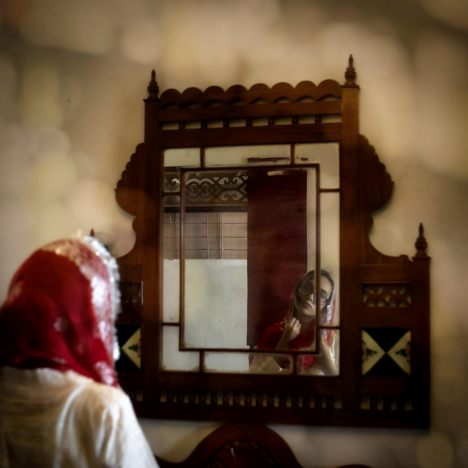

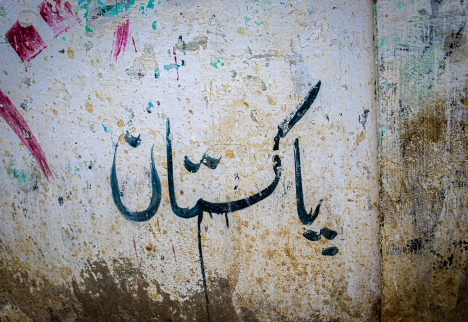
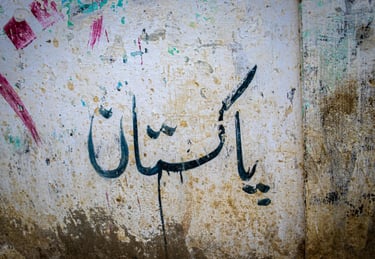
I am a Pakistani Bihari, and while I now proudly embrace this identity, growing up, it often left me puzzled. As a third-generation Pakistani, born and raised in a land my grandfather chose to migrate to, I couldn’t help but question why I was tethered to an identity rooted in a place we left behind. This sense of irony deepened into an identity crisis, fueled by the stereotypes of being Bihari in Karachi, often seen as a middle-class minority, labelled either as cunning or merely studious. All I wanted was to belong to the land of my birth, just to be Pakistani. But over time, I began to question what identity truly means and how it shapes our sense of belonging. Through my photo essay, I explore my family’s story, a narrative that weaves together our connection to a heritage steeped in history and the realities of our present. My work examines how the echoes of a distant identity continue to inform who we are today, as we live within the spaces we now call home.
It all begins with an identity crisis, a fractured self-image that I’ve carried for as long as I can remember. I visualise this through a self-portrait, fragmented by a mirror, reflecting the persistent sense of incompleteness I feel whenever I’m asked about my identity and heritage. My photo essay embarks on a journey to untangle this feeling, tracing its roots back to where it all began: migration.
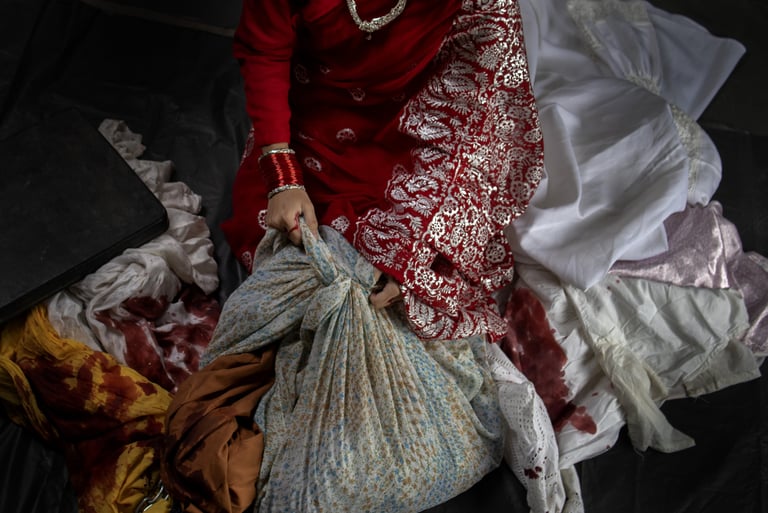
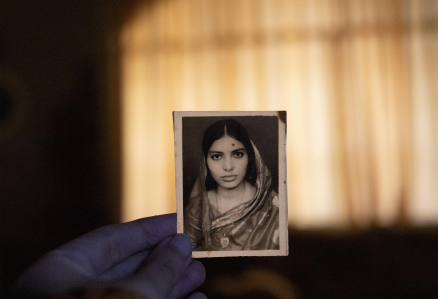
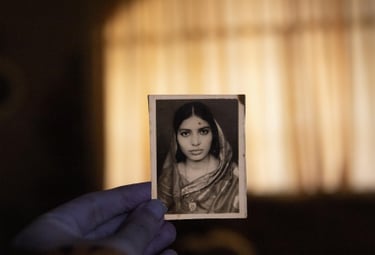
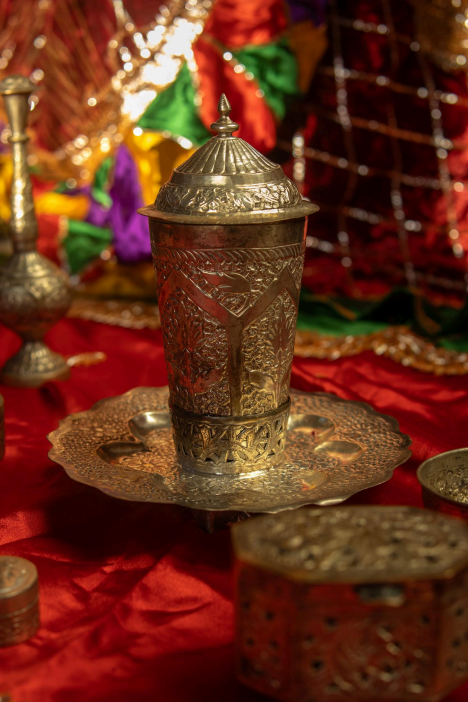
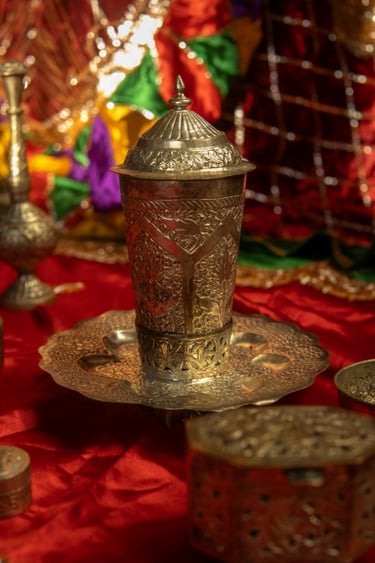
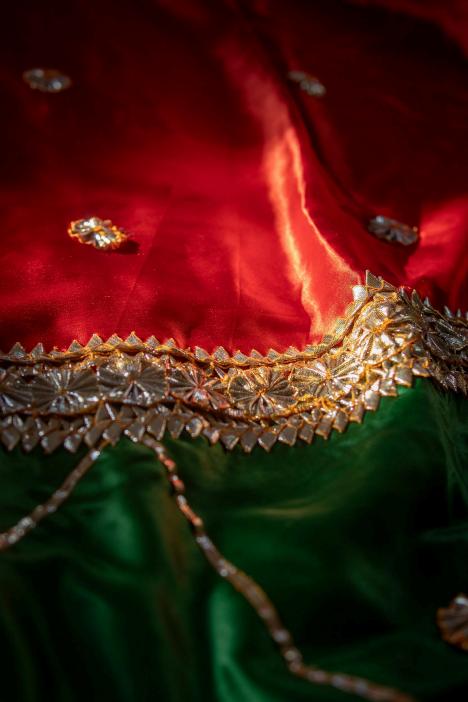
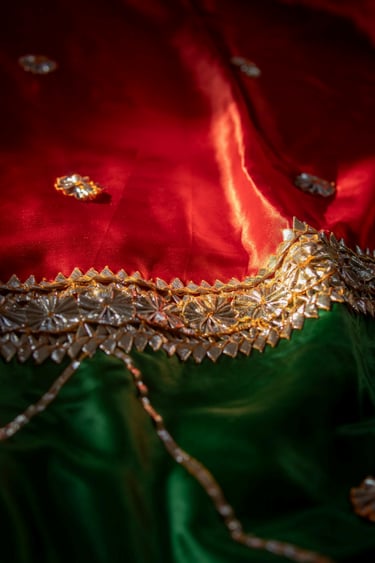
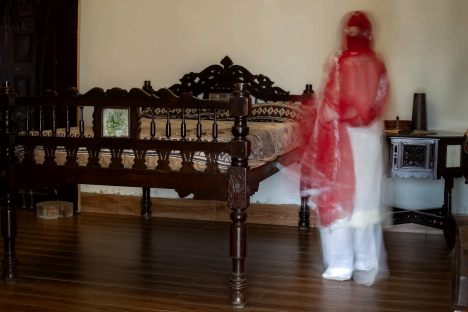
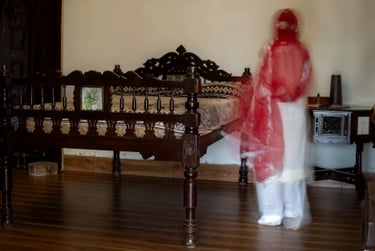
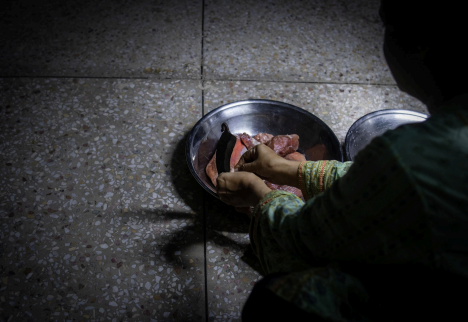
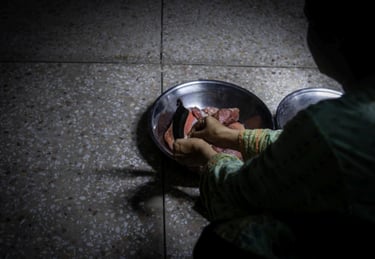
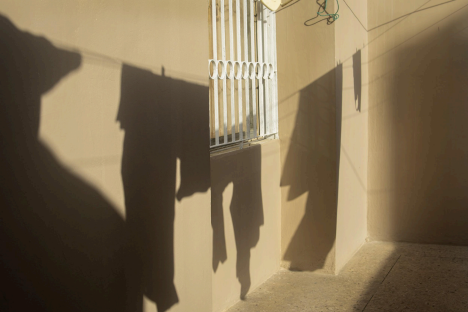
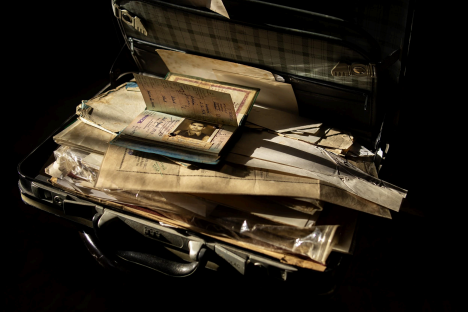
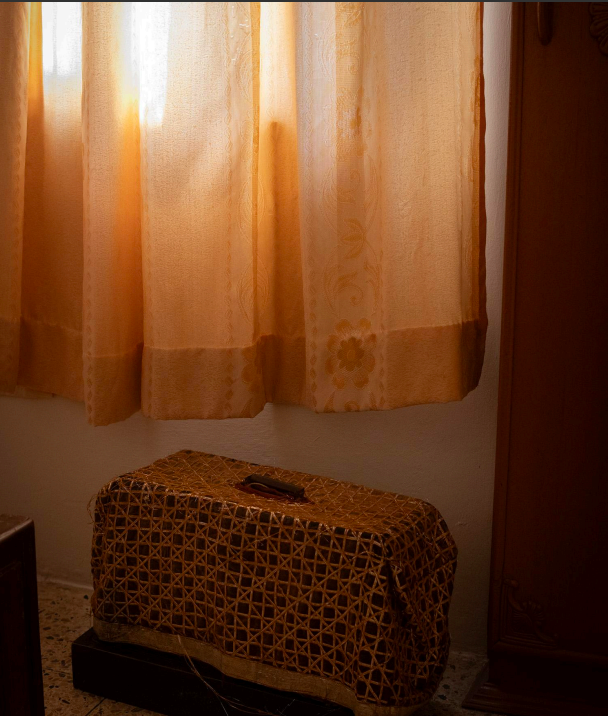
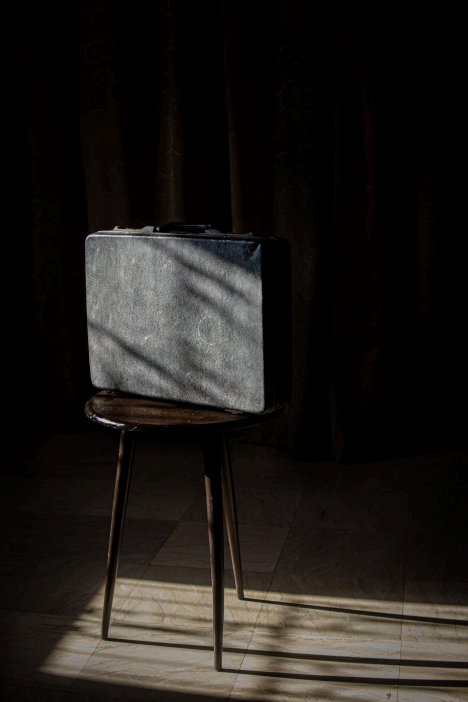
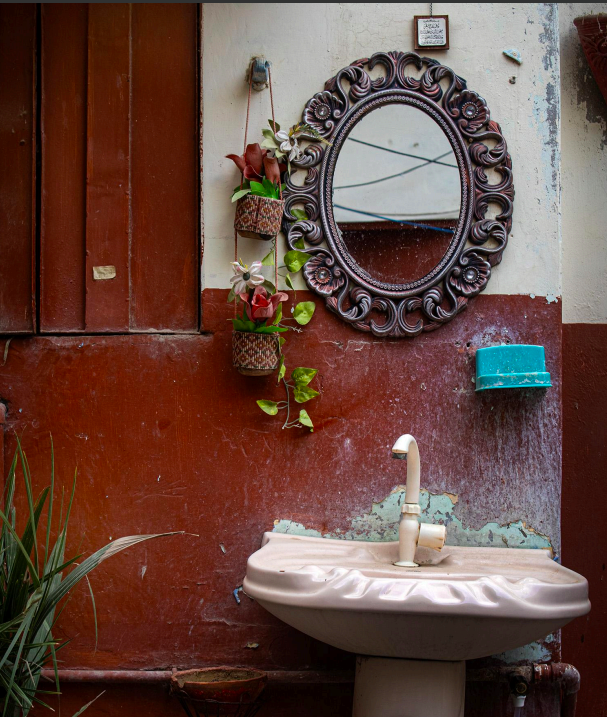
I started with the story of my Nani Jan and her harrowing experience of displacement during the 1971 migration. Through reconstructed imagery, I sought to depict the chaos of that time—the hurried packing of belongings as bloodshed engulfed the streets, forcing families to leave everything they knew behind. When they arrived in Karachi, many Biharis were pushed to settle in Orangi Town, a refugee space deprived of basic necessities. Yet, even amidst this deprivation, the community clung to its culture with resilience. Family heirlooms were safeguarded as precious relics of the past, the textile art of chaapa was revived, and traditional foods like Bihari kebabs—carried from Bihar—became staples of life in their new home.
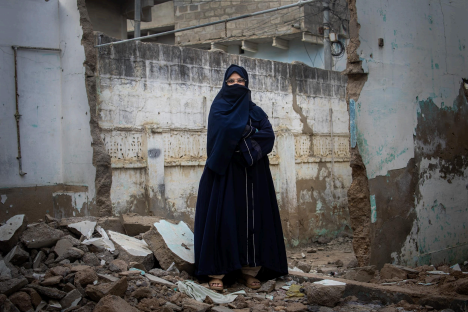
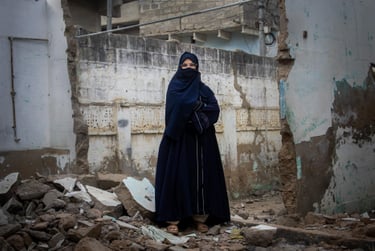
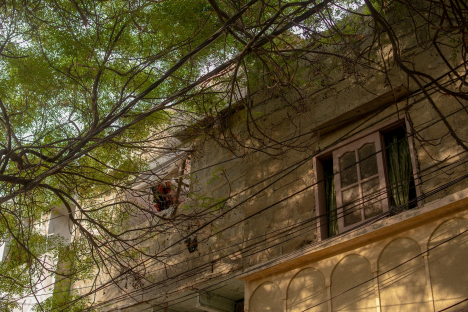
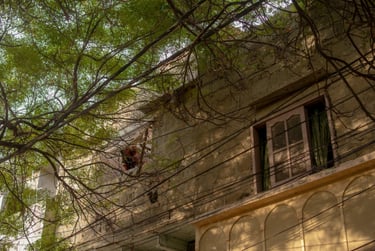
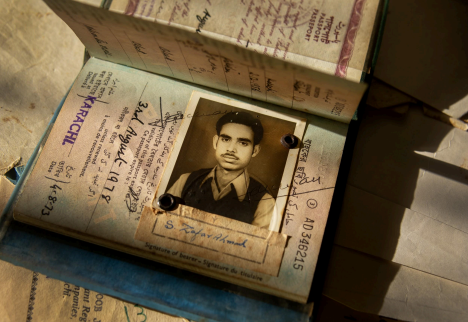
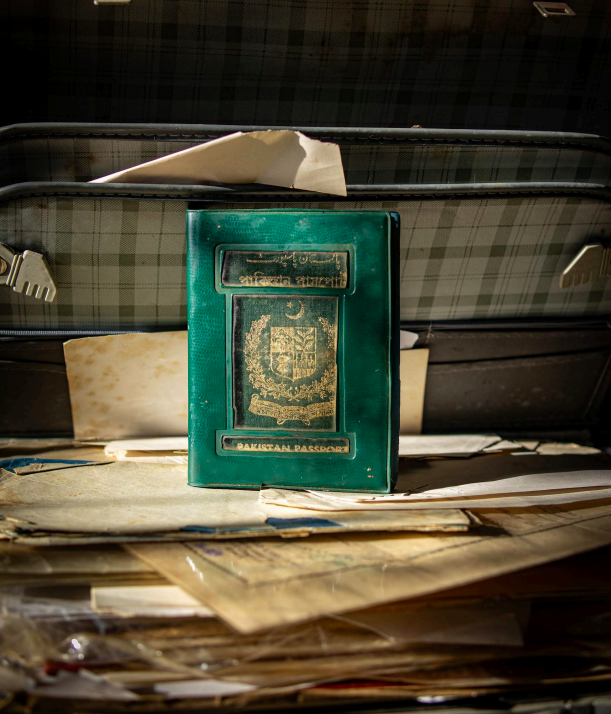
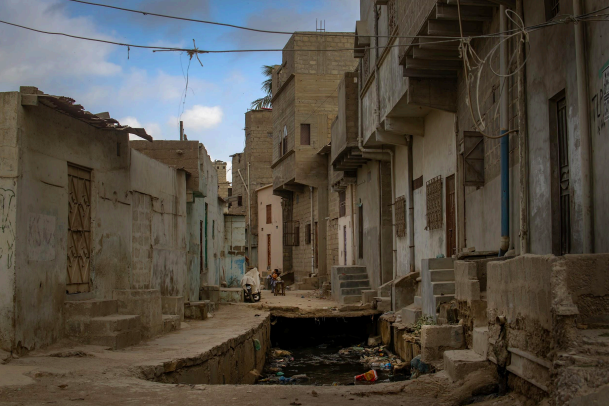
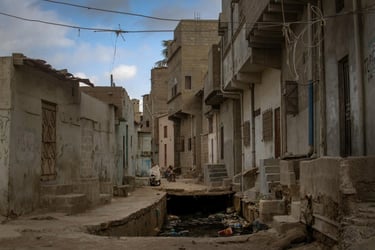
Despite this cultural perseverance, the struggle for acceptance as Pakistanis remains a recurring theme for Biharis. For many who migrated in the 1970s, official state documents proving Pakistani citizenship were and continue to be a challenge. My family preserved a 1973 passport issued to my uncle as proof of residency, a treasured artefact that affirms our place in this country. Yet for countless others who couldn’t safeguard such documentation, this remains an ongoing struggle—one that calls into question what it means to truly belong. Returning to Orangi Town, the space my mother grew up in, was a humbling and emotional experience. Walking through the remnants of her childhood home—now in shambles—served as a powerful reminder of where we came from and the resilience that defines our story.
Through this essay, I reflect on how displacement, memory, and identity are interwoven into the fabric of my family’s history. This isn’t just a story of migration—it’s a narrative of survival, cultural preservation, and the enduring need to reconcile heritage with belonging. By revisiting the physical and emotional landscapes of our past, I aim to shed light on the Bihari experience in Pakistan—a community that has endured displacement and marginalisation while carving out its own space in a country that hasn’t always recognised it. My work is a testament to their resilience and an attempt to understand my own fractured identity in the context of a collective history.
About the Author
Syeda Abqurah Shaukat is a Karachi-based photographer whose work explores themes of identity, migration and memory. She is the founder of Chasm-e-Zan, a platform for women photographers and filmmakers in Pakistan dedicated to exploring femininity through the lens.
Get in Touch
Contact
© 2026 Bihar Visual Archive & Lab. All rights reserved
Follow us
Send a Message
Join our Mailing List
| Privacy Policy |